Inside KONE’s New R&D Center: Where Elevators Meet AI
We, with FinnCham Hong Kong, spent an inspiring afternoon at KONE’s new R&D center in Qianhai, where the global leader in urban mobility shared insights into their operations across the Greater Bay Area and unveiled some game-changing technologies.
The facility itself is impressive, but what stood out were the innovations driving the future of how cities move people vertically.
Technologies That Captivated Us:
Innovation
Why It Matters
Lighter Cable Technology
Reduces material weight while maintaining safety standards
AI-Powered Engineer Dispatch
Intelligent routing of maintenance teams based on real-time elevator data
Greater Bay Area Strategy
Understanding how multinational tech adapts to regional needs
This visit reminded us why the Shenzhen ecosystem continues to attract companies pushing boundaries in infrastructure and technology. KONE’s approach to combining engineering excellence with intelligent software showcases what’s possible when hardware and digital systems work in harmony.
Want to learn more about urban tech developments in the Greater Bay Area? Reach out—we’d love to connect you with our network.
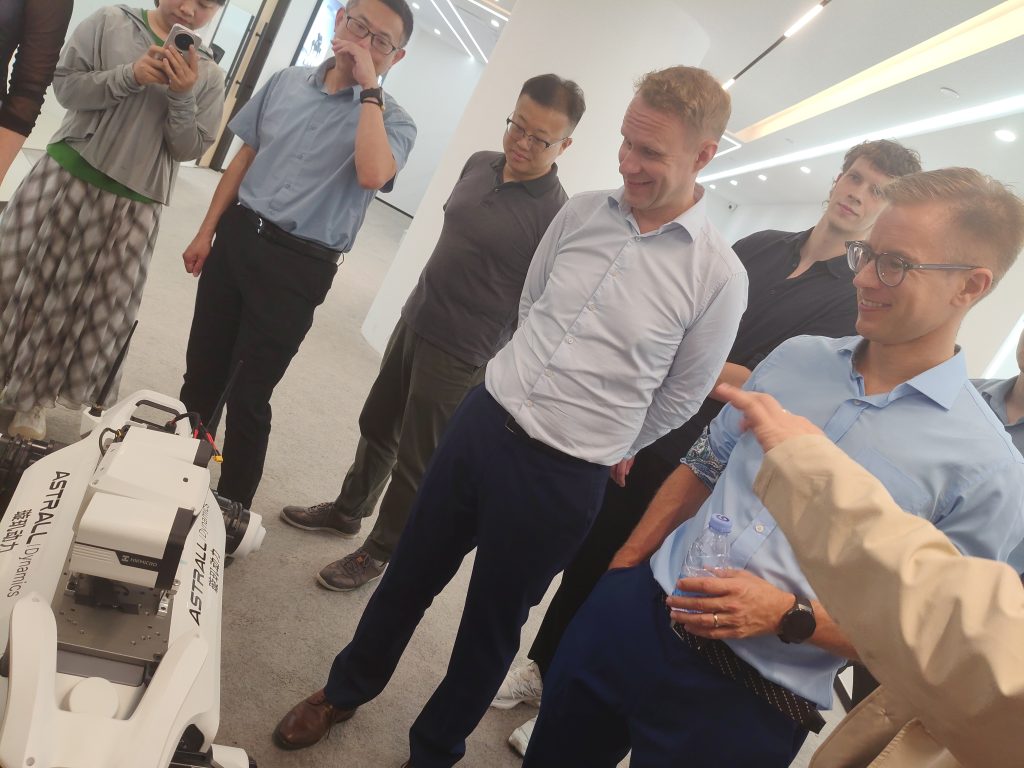
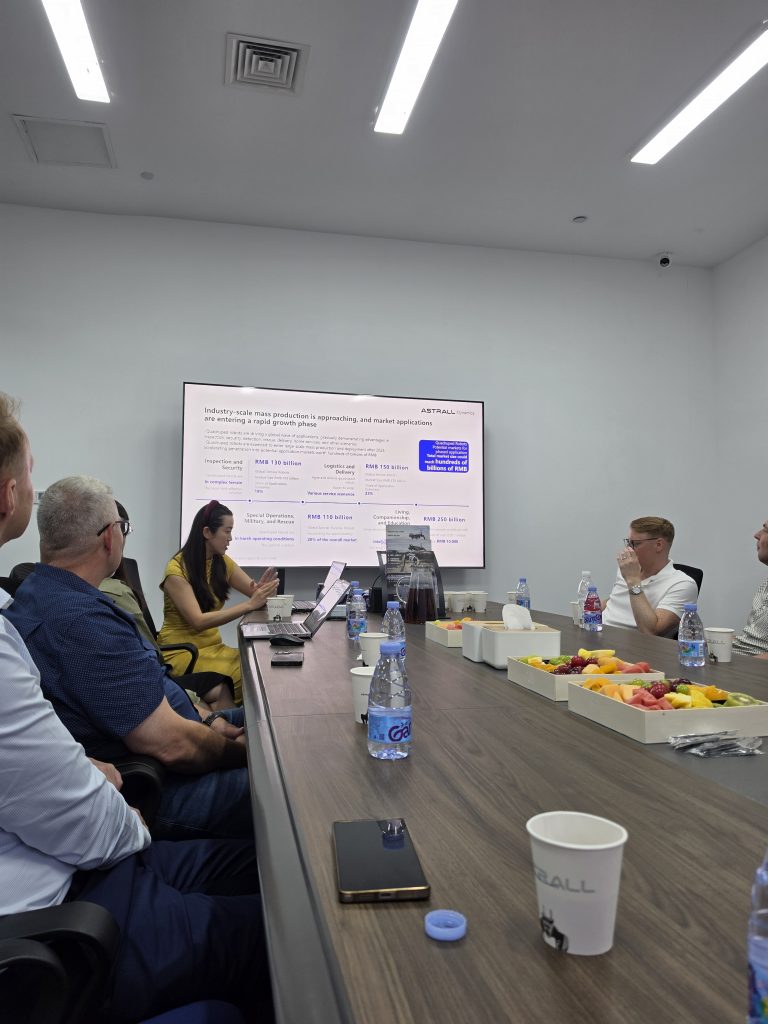
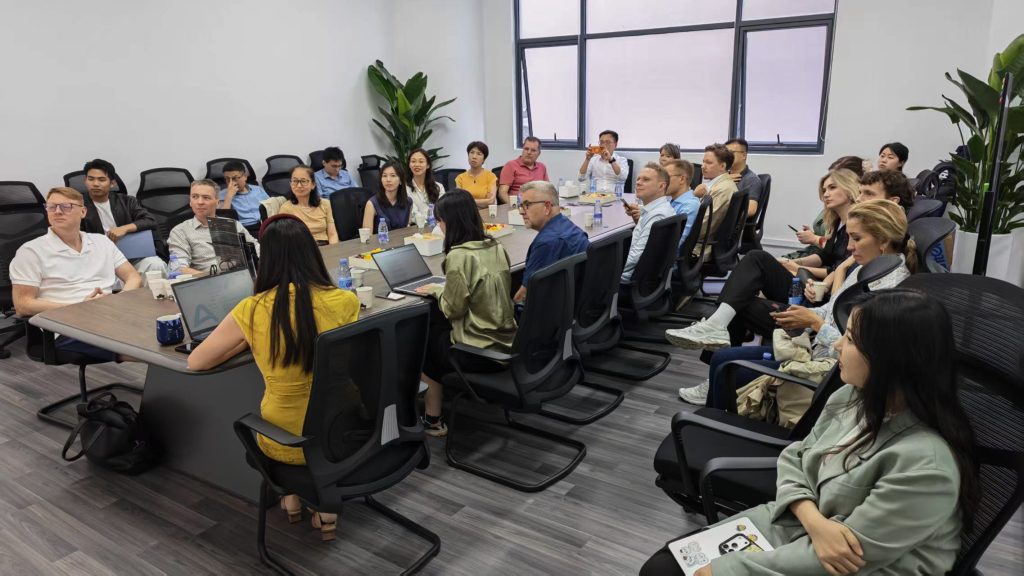
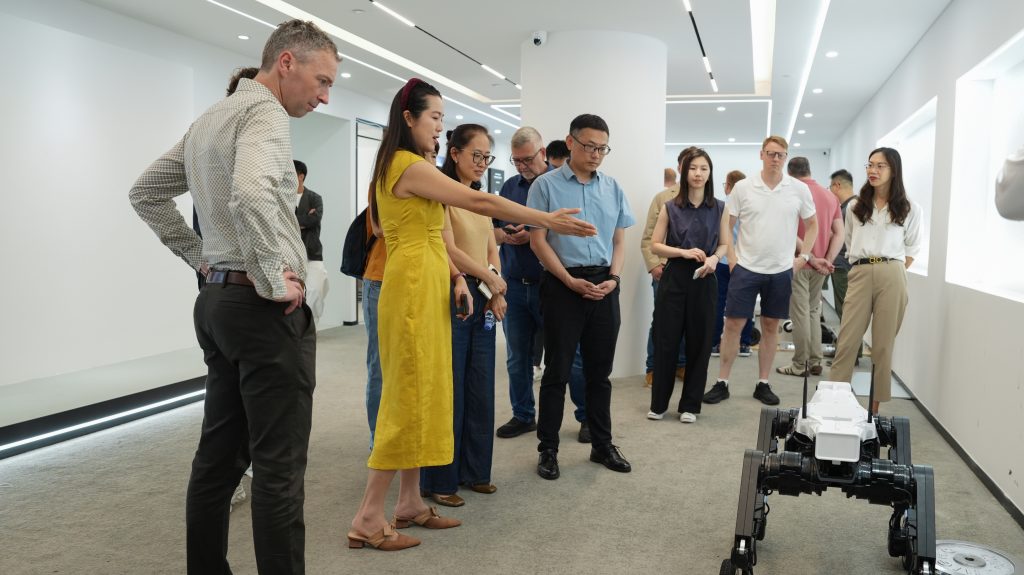
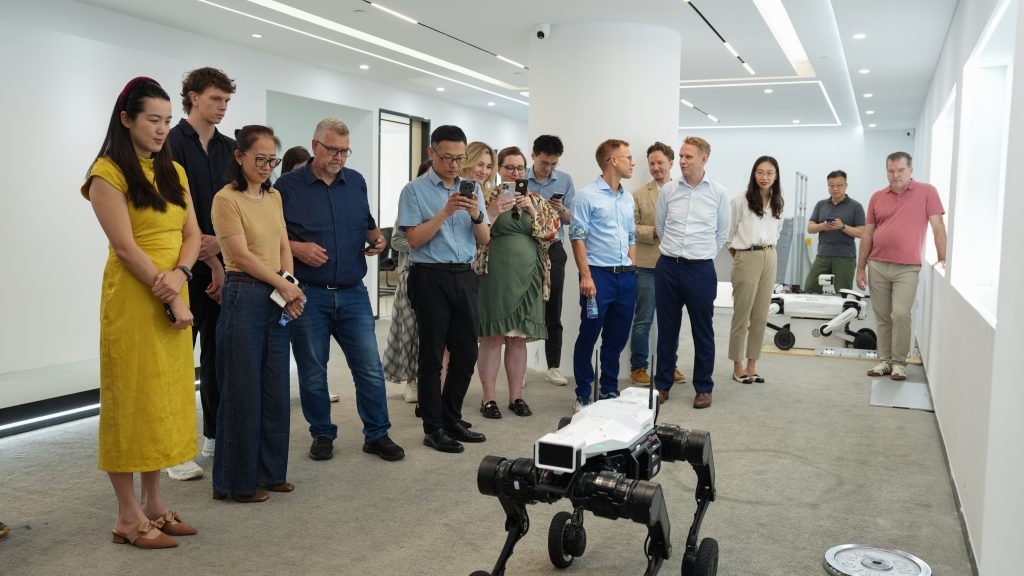
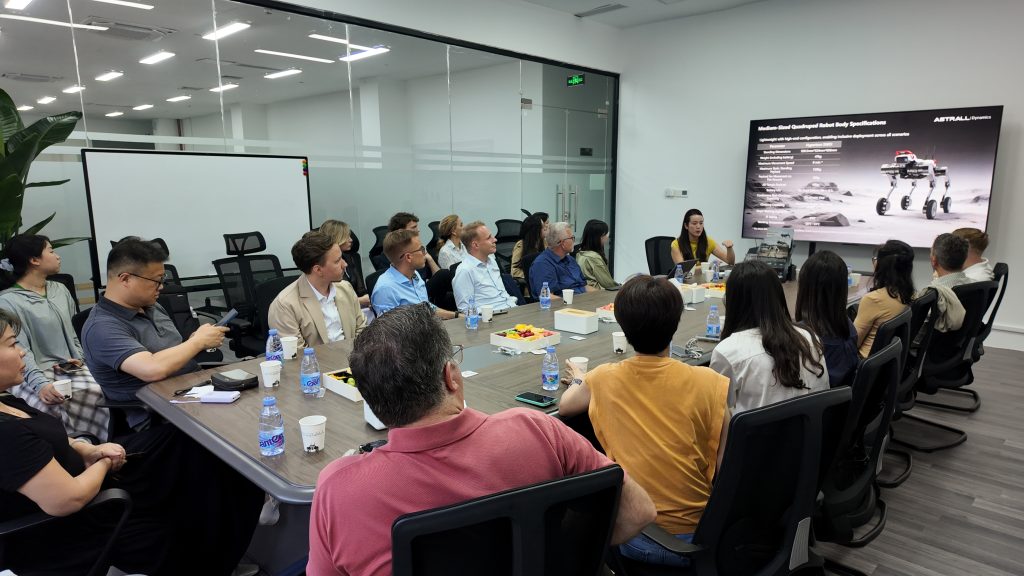
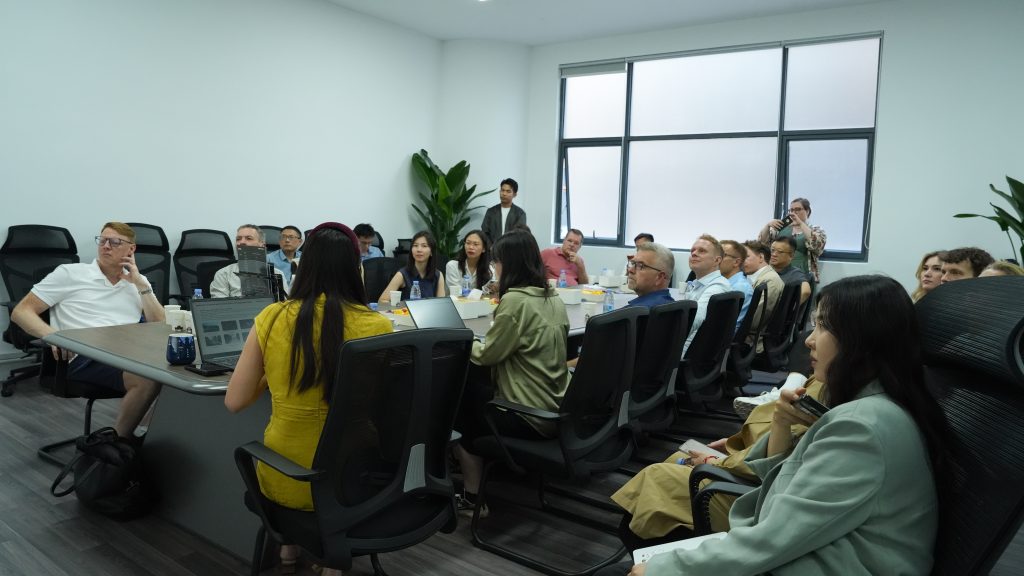
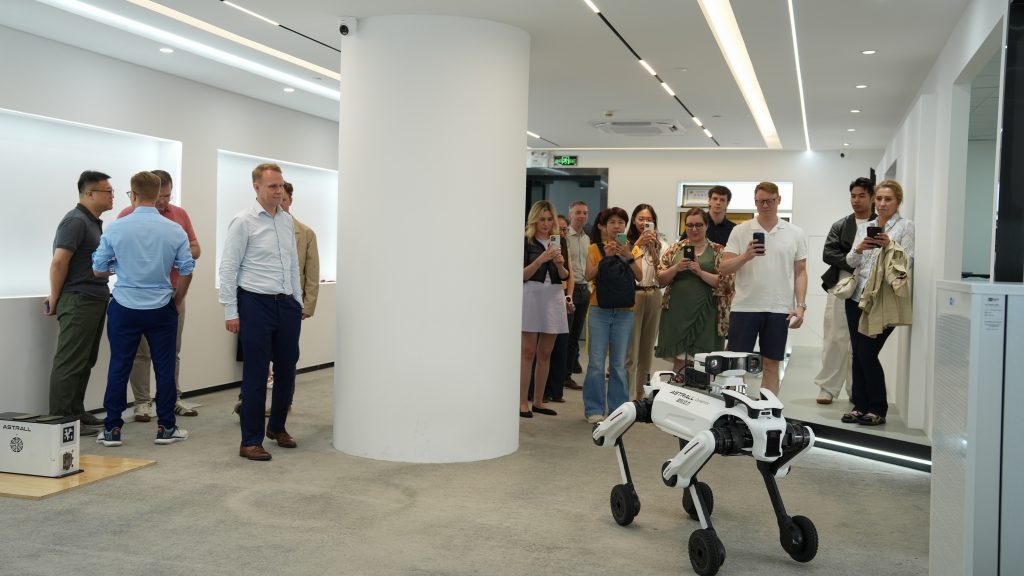
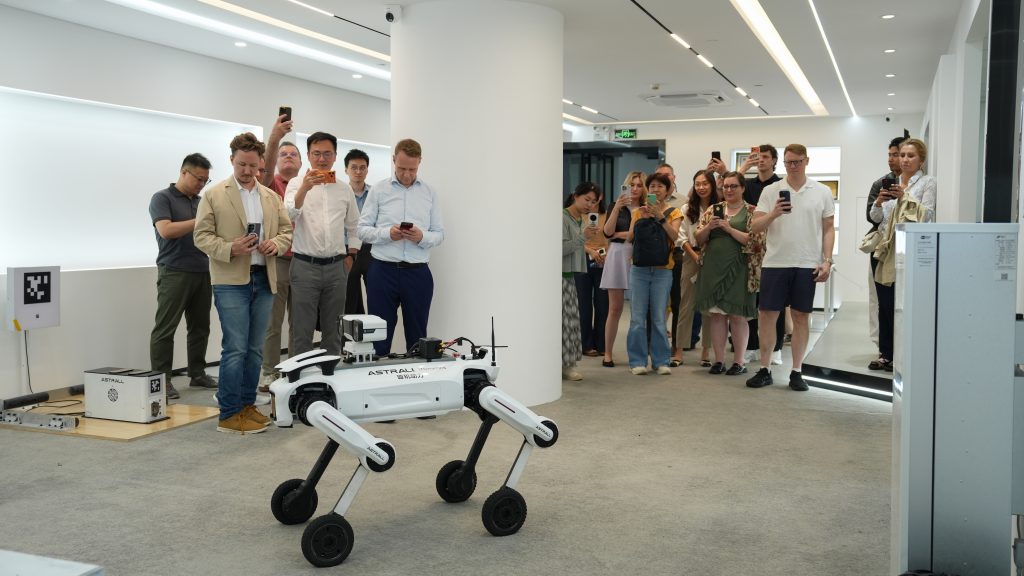
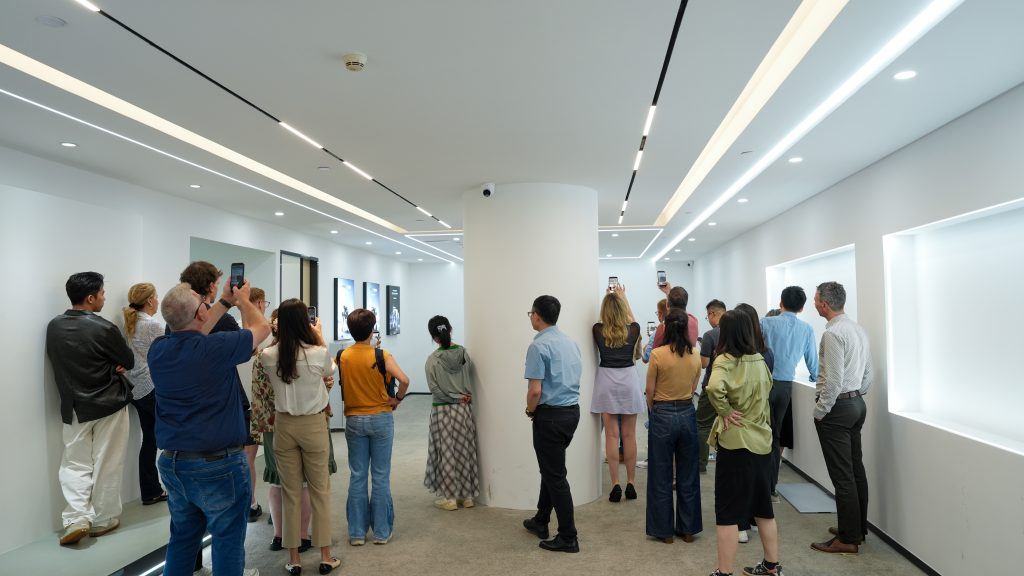
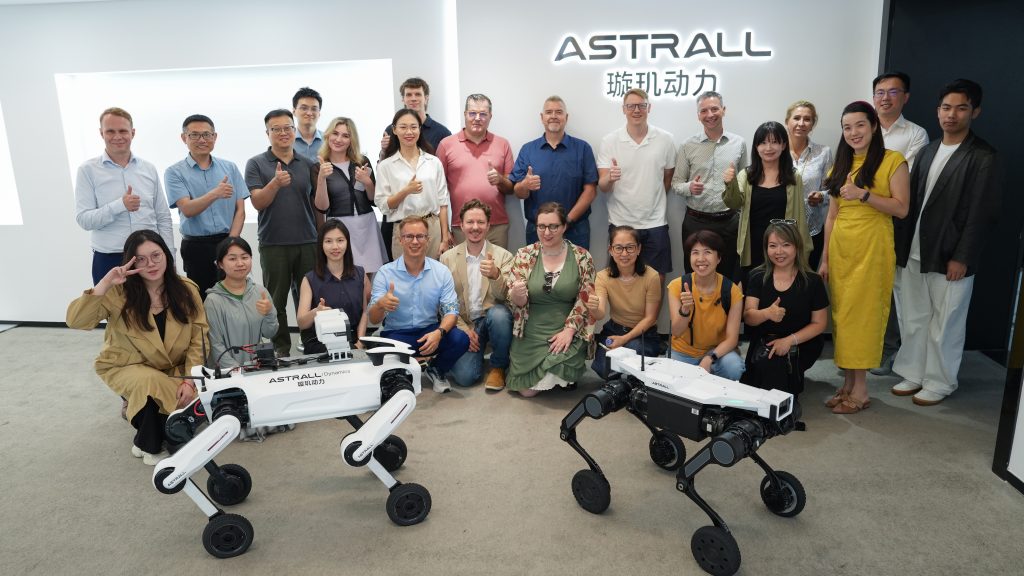
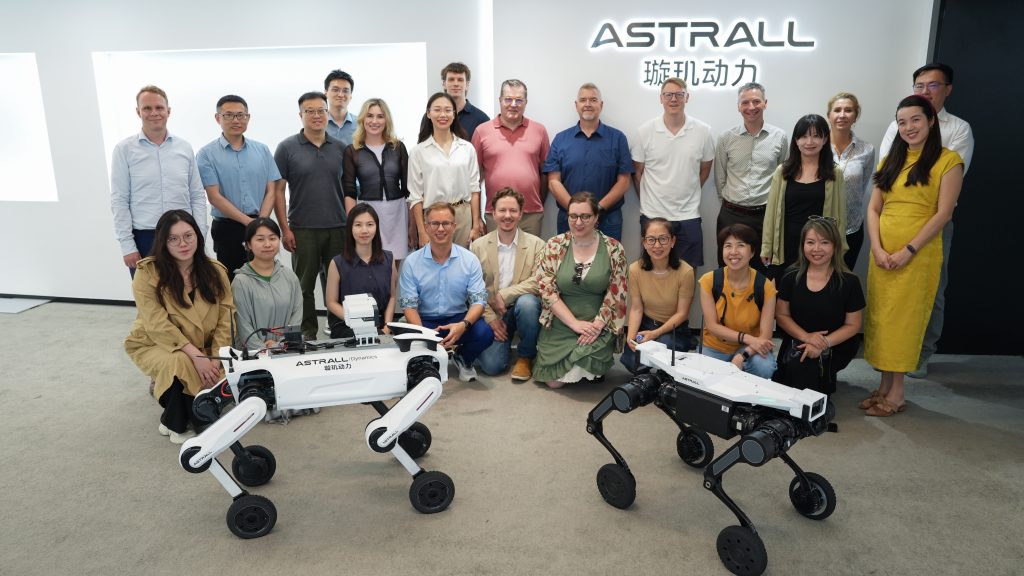
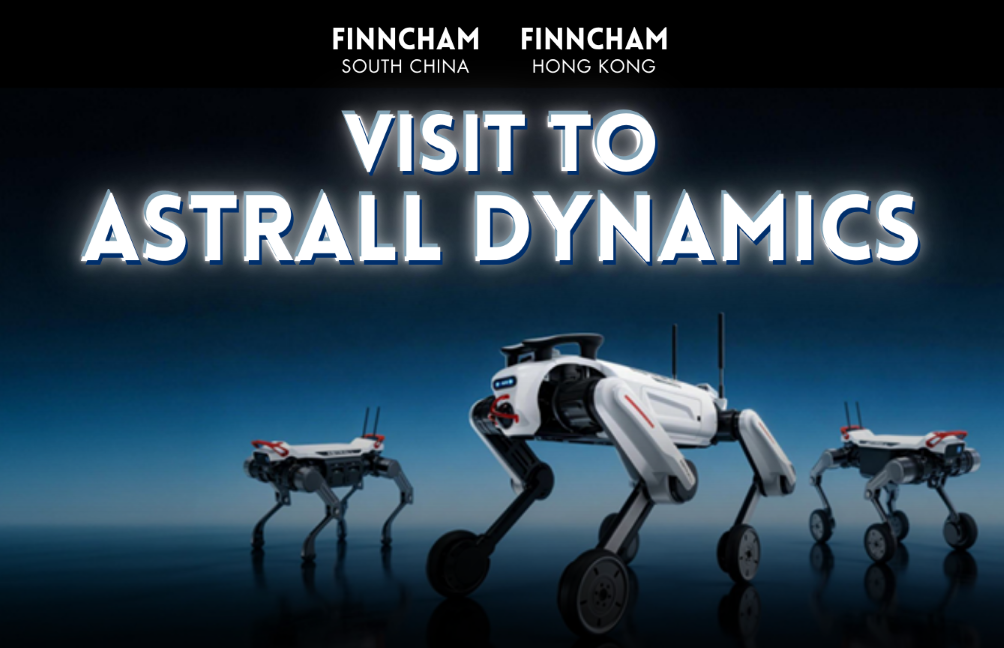
On May 13th, a joint delegation from the Nordic business chambers (FinnCham South China, FinnCham Hong Kong, SwedCham, DCCC, and NBA) traveled to Shenzhen to gain firsthand insight into the cutting edge of robotics development in China. Our destination was Astrall Dynamics, a company that exemplifies the speed and depth of innovation currently reshaping the industrial landscape in the Greater Bay Area.
Witnessing the State of the Art
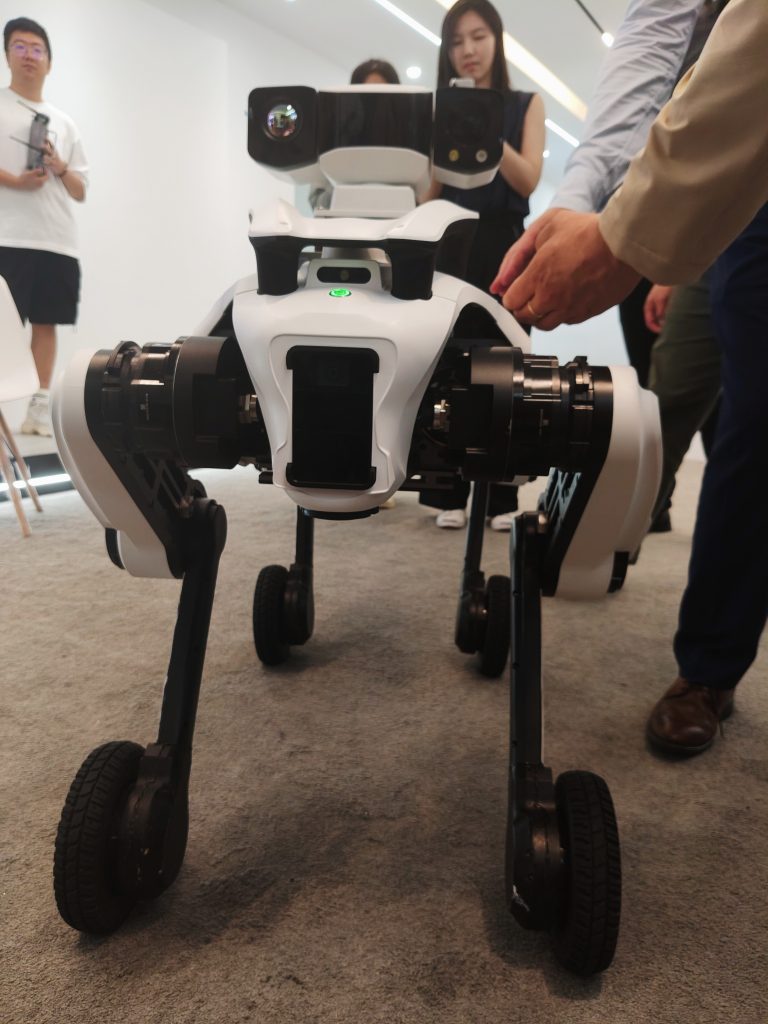
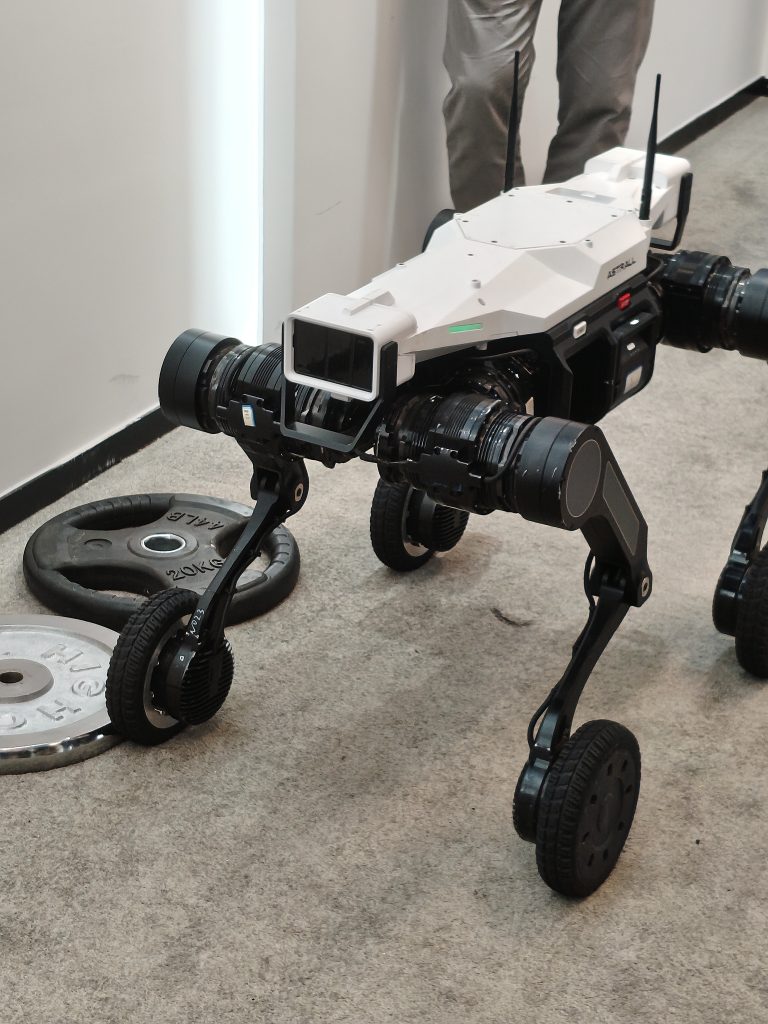
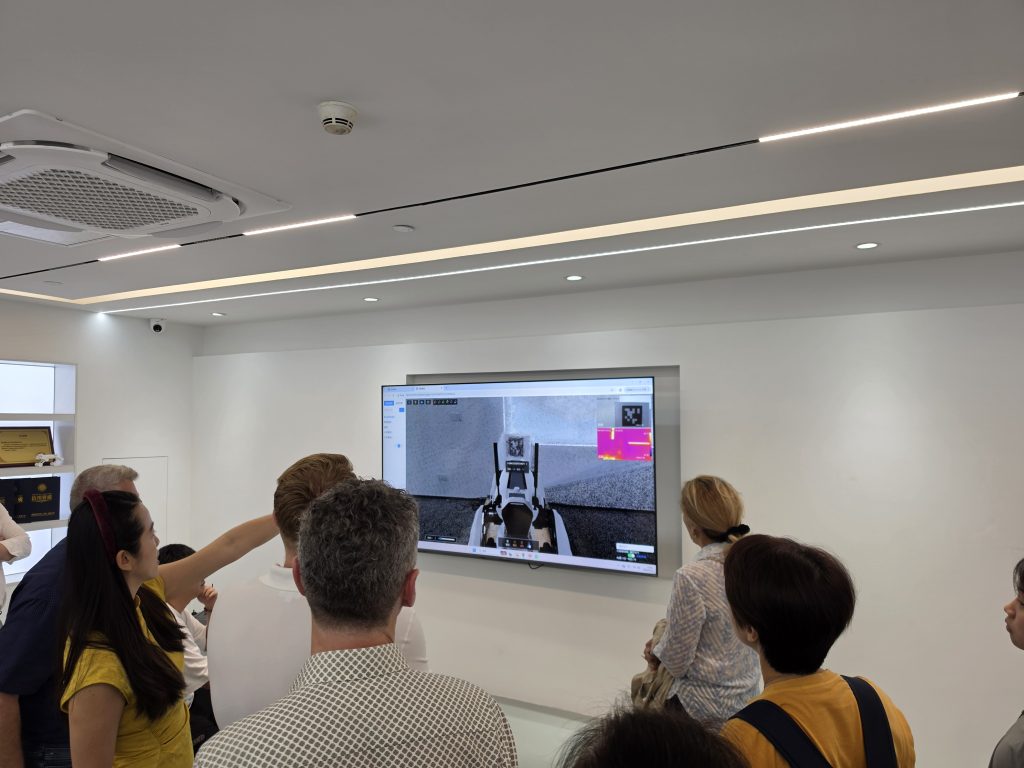
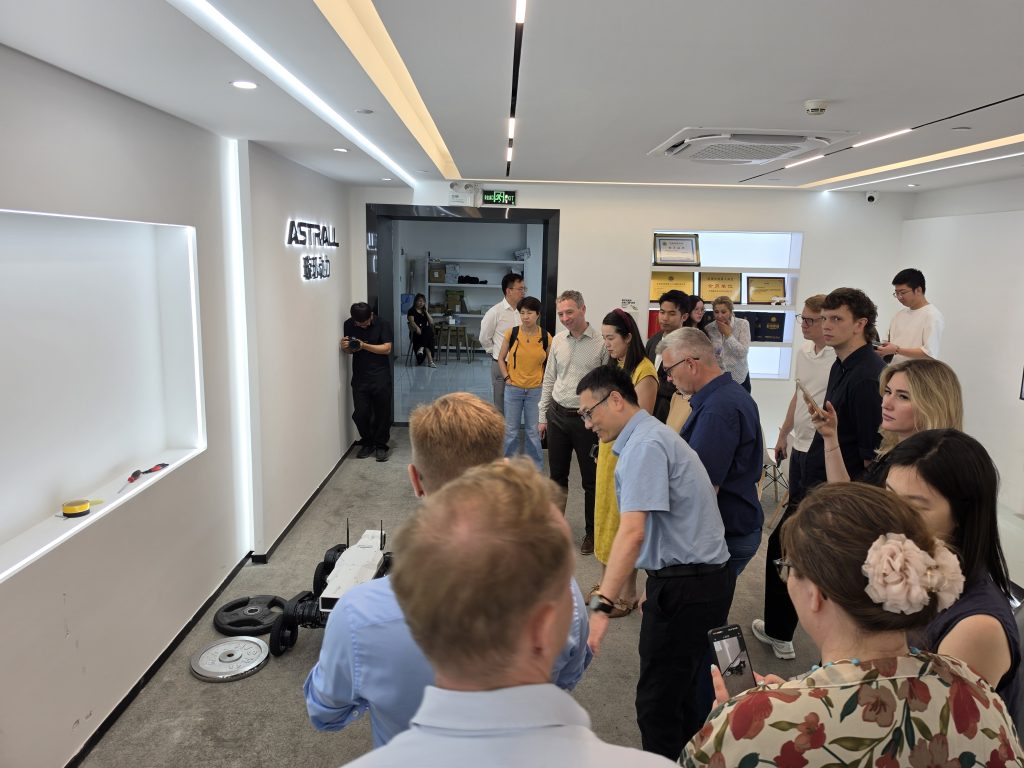
The primary goal of our visit was to observe how Chinese engineering is tackling complex automation challenges. At Astrall Dynamics, we moved beyond theoretical discussions to see live, operational demonstrations of heavy-duty quadruped and wheeled-legged robots, like the Hypertron T01 and SW01.
Seeing these machines autonomously navigate steep inclines, climb stairs, and traverse uneven terrain in a simulated power inspection environment offered a compelling glimpse into the future of industrial automation.
Engineering Resilience
While we are accustomed to high standards in Northern Europe, seeing these specifications applied to rugged, outdoor robotics in China’s diverse climate zones was fascinating. It highlighted a shift in the local industry: moving from rapid iteration to building durable, “hard-tech” solutions capable of withstanding real-world industrial stress. We discussed what things robotics engineers need to consider in the Nordic environment, such as snowfall, extremely low temperatures, and snow cover.
Insights on Global Convergence
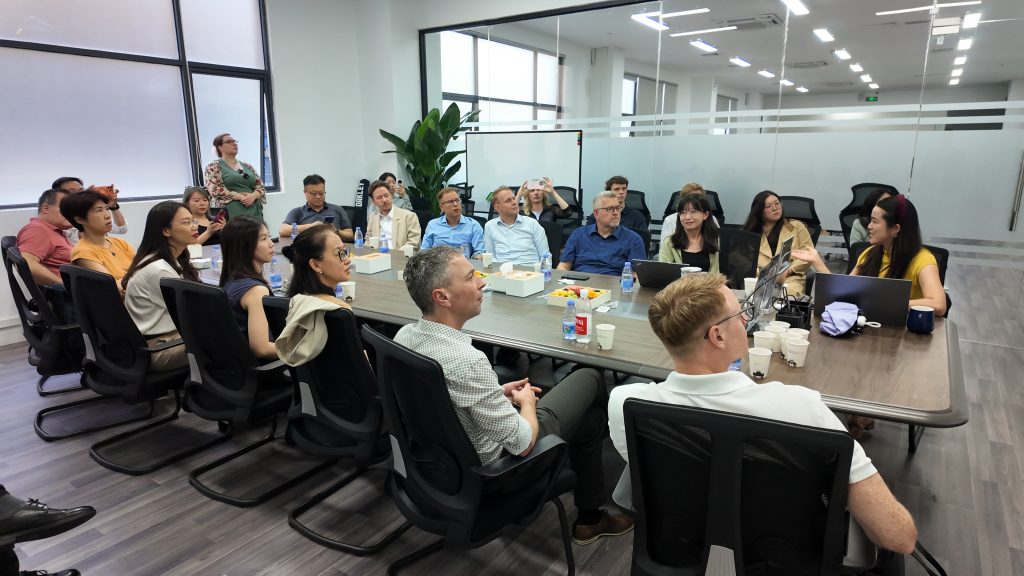
Our subsequent discussions revealed a convergence of interests. While Nordic markets prioritize sustainability and strict reliability standards, the Chinese sector is demonstrating an impressive ability to deliver high-performance hardware at scale.
We explored how these technologies could complement Nordic strengths in green energy and sustainable infrastructure. The potential for cross-border collaboration is significant, particularly in sectors like power grid maintenance, emergency response, and smart city management.
Key Takeaways
The visit reinforced a clear message: China’s robotics sector is no longer just catching up, it is driving innovation in specific, high-impact niches. For the Nordic business community, understanding these advancements is crucial for staying competitive and exploring new partnership avenues.